
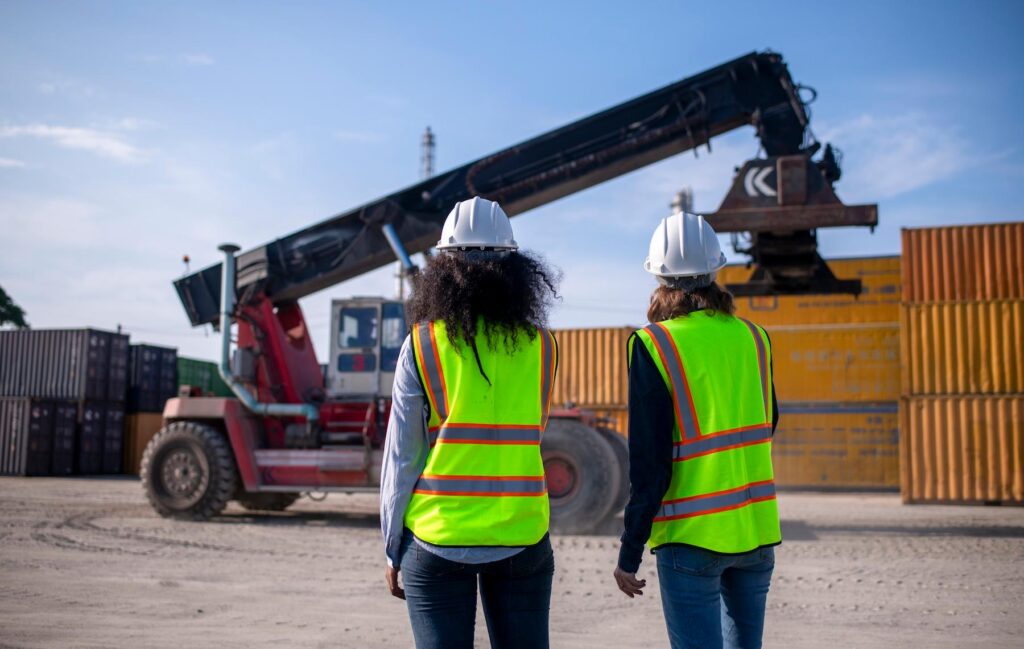
The construction industry is one of the most dynamic and competitive sectors, requiring a fine balance of technical expertise, leadership, and operational efficiency. However, many construction businesses struggle with challenges such as workforce management, rising costs, project delays, and adapting to new technologies. This is where business coaching plays a transformative role.
Business coaching provides tailored strategies to help construction companies overcome these challenges, streamline operations, and achieve sustainable growth. In this comprehensive guide, we explore the vital role of business coaching in the construction industry and how it can benefit companies of all sizes.
Why Business Coaching Is Essential for the Construction Industry
The construction sector faces unique challenges, including fluctuating material costs, strict regulatory requirements, and high-stakes project deadlines. Business coaching addresses these issues by offering expert guidance in areas such as leadership, team management, and operational efficiency.
Here’s why business coaching is critical for the construction industry:
- Leadership Development: Enhances the decision-making and conflict-resolution skills of project managers and business leaders.
- Workforce Optimization: Builds a cohesive and motivated team that works toward shared goals.
- Operational Efficiency: Identifies inefficiencies in processes and implements cost-saving strategies.
- Strategic Growth: Aligns short-term goals with long-term growth plans to ensure sustainability.
Key Benefits of Business Coaching in the Construction Industry
1. Improved Leadership Skills
Effective leadership is crucial in construction, where project success depends on clear communication, timely decision-making, and conflict resolution. Business coaching equips leaders with the tools to:
- Manage diverse teams across multiple projects.
- Navigate challenges like supply chain disruptions and labor shortages.
- Inspire teams to meet deadlines without compromising quality.
For example, a coaching program might teach a construction manager how to balance empathy with authority, fostering a positive work environment while maintaining productivity.
2. Enhancing Workforce Productivity
Construction businesses often face high turnover rates and workforce-related inefficiencies. Business coaching helps address these issues by:
- Employee Engagement: Training leaders to motivate their teams and boost morale.
- Skill Development: Identifying skill gaps and implementing targeted training programs.
- Conflict Resolution: Teaching managers techniques to resolve disputes and maintain harmony on job sites.
A well-coached workforce is more likely to stay committed, reducing turnover and increasing overall productivity.
3. Streamlining Operations
Inefficient operations can lead to project delays and cost overruns, two major pain points in the construction industry. Business coaching focuses on operational excellence by:
- Process Optimization: Streamlining workflows to reduce redundancies and save time.
- Risk Management: Identifying potential risks and developing contingency plans.
- Technology Integration: Helping businesses adopt tools like project management software to improve coordination.
Read more about effective business strategies to understand how process improvements can drive success.
4. Financial Management
Rising material costs, fluctuating labor rates, and tight budgets are common financial challenges in construction. Business coaching provides financial expertise by:
- Teaching cash flow management to ensure timely payments and resource availability.
- Developing accurate cost estimates and budgets for projects.
- Identifying opportunities for cost savings without compromising quality.
By improving financial literacy among leaders, coaching helps construction companies maintain profitability even during economic downturns.
5. Adapting to Technological Advancements
The construction industry is increasingly adopting technologies like Building Information Modeling (BIM), drones, and AI-driven tools. Business coaching ensures seamless integration of these technologies by:
- Training teams to use new tools effectively.
- Helping leaders assess the ROI of technology investments.
- Encouraging a culture of innovation and adaptability.
Learn about construction tech trends to stay ahead in a competitive market.
6. Navigating Regulatory Requirements
Compliance with safety standards, environmental regulations, and zoning laws is critical in construction. Business coaching assists by:
- Ensuring leaders stay updated on the latest regulatory changes.
- Developing systems to track compliance across projects.
- Reducing the risk of fines and legal disputes through proactive planning.
How Business Coaching Transforms Construction Companies
The impact of business coaching goes beyond immediate operational improvements. It creates a culture of growth and resilience that prepares companies for future challenges.
Case Study: A Mid-Sized Construction Firm
Challenge: A Brisbane-based construction firm struggled with frequent project delays and high employee turnover.
Solution: Business coaching focused on leadership training, process optimization, and team engagement.
Outcome: The firm reduced project delays by 30%, increased employee retention by 40%, and achieved record profitability within two years.
Practical Tips for Implementing Business Coaching
- Define Clear Objectives: Identify specific goals, such as improving project efficiency or boosting employee morale.
- Choose the Right Coach: Look for industry experience and a proven track record of success.
- Commit to the Process: Ensure leaders and teams are willing to invest time and effort into coaching programs.
- Measure Results: Track key performance indicators (KPIs) to evaluate the effectiveness of coaching.
FAQs About Business Coaching in the Construction Industry
1. What is business coaching?
Business coaching involves working with experienced professionals who provide tailored strategies to improve leadership, operations, and overall performance.
2. How does business coaching benefit construction companies?
It enhances leadership, streamlines operations, boosts productivity, and improves financial management.
3. Is business coaching suitable for small construction firms?
Yes, business coaching is scalable and can be customized to meet the needs of small and mid-sized businesses.
4. How long does it take to see results from coaching?
Results vary, but many companies start seeing improvements in leadership and operations within 3-6 months.
5. Can business coaching address safety compliance?
Absolutely. Coaches help develop systems to ensure adherence to safety and regulatory standards.
Conclusion
Business coaching is a powerful tool for addressing the unique challenges of the construction industry. From improving leadership and team productivity to enhancing financial management and technological adaptability, coaching empowers construction companies to achieve sustainable growth.
As the industry evolves, partnering with a professional coaching agency can make the difference between surviving and thriving. Ready to transform your construction business? Contact Empower Agency today to learn more about our tailored coaching solutions.

